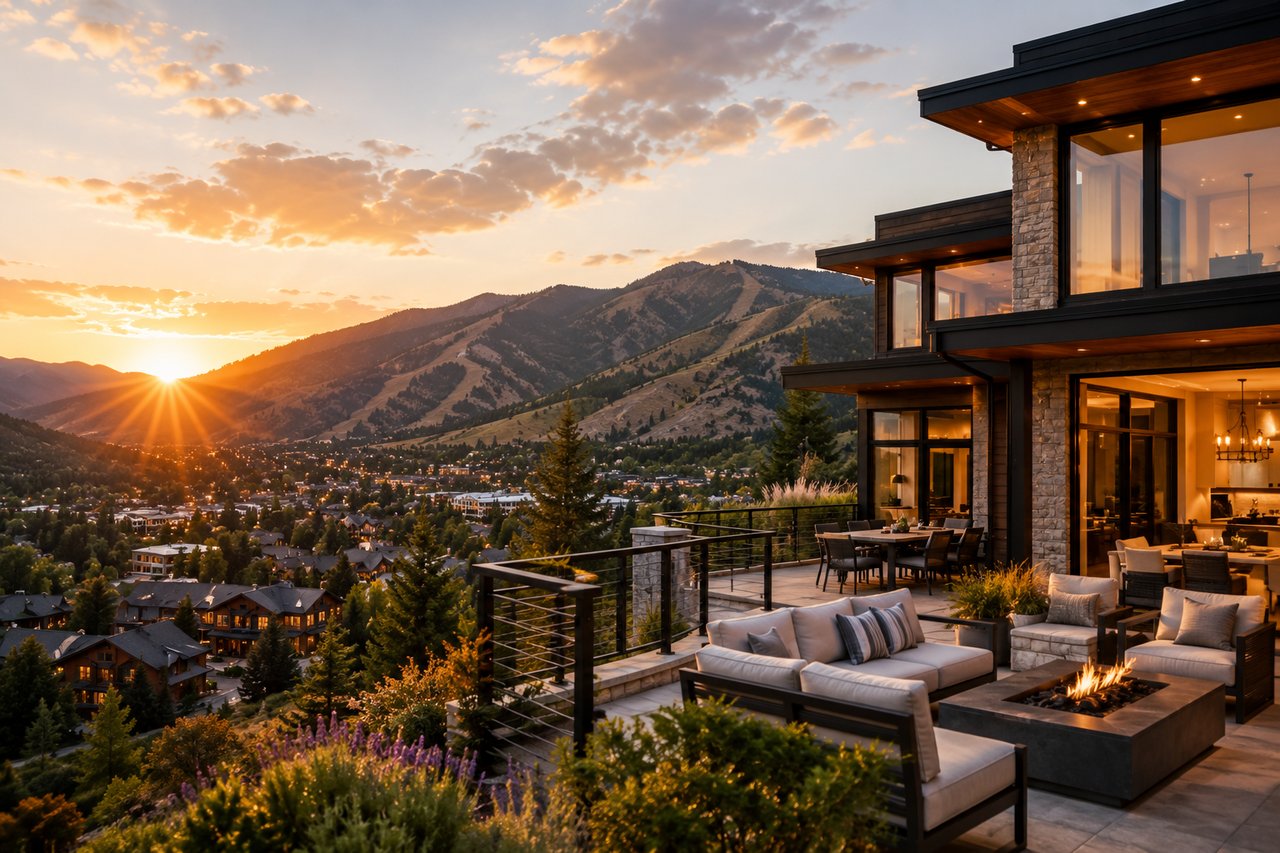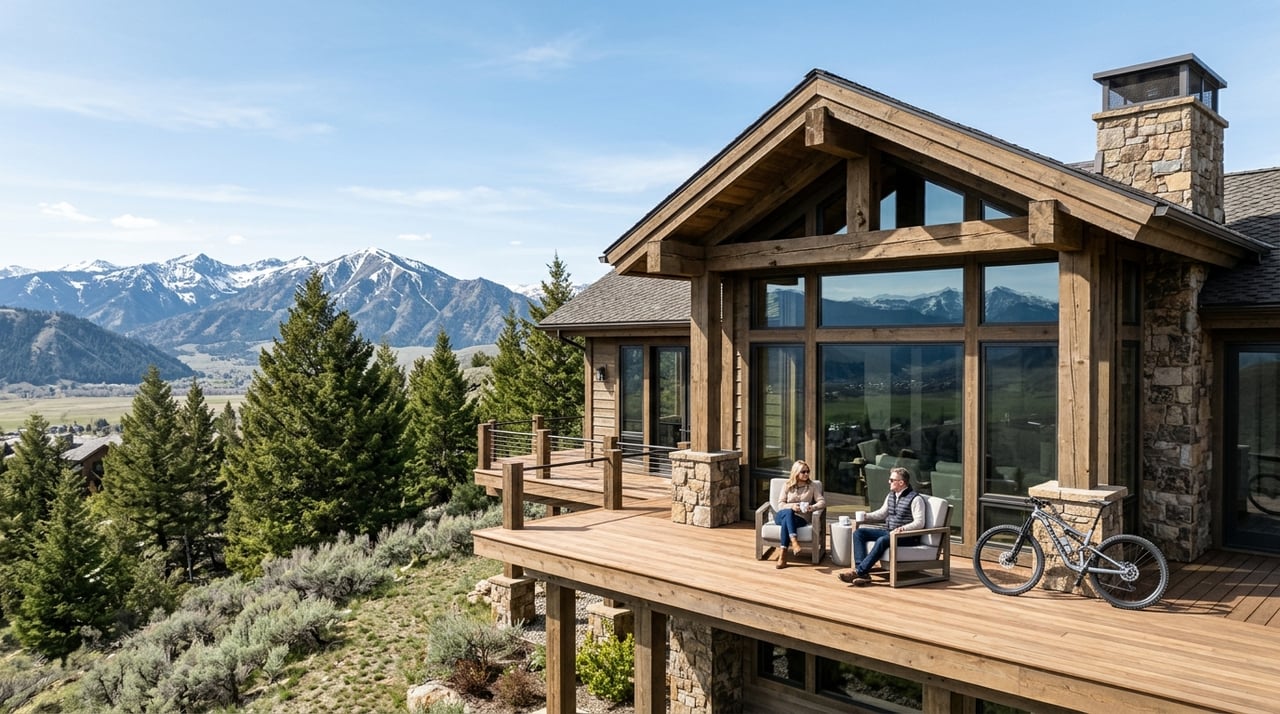
There’s a moment that happens often in Sun Valley—usually just before sunset.
The light settles over Bald Mountain, the air cools, and everything feels… still. Grounded. Intentional.
It’s in those moments that many homeowners here realize something important:
They didn’t just buy a home.
They secured a place they don’t want to leave.
And in 2026, that mindset is showing up clearly in the data.
A Market Moving Quietly—But Powerfully
According to recent Zillow data, Sun Valley home values have risen approximately 15% year-over-year as of March 2026.
At a time when many national markets are stabilizing—or even softening—Sun Valley continues to show measured, resilient appreciation.
But this isn’t a surge driven by speculation.
It’s something far more durable.
The Difference Between Growth and Stability
In many markets, price growth is tied to short-term factors—interest rate swings, investor activity, or rapid turnover.
Sun Valley operates differently.
Here, appreciation is being driven by:
- Lifestyle demand that remains consistently strong
- Limited inventory due to low turnover
- High-quality housing stock with lasting appeal
- Buyers with long-term horizons, not short-term intent
This combination creates a market that doesn’t spike dramatically—but also doesn’t retreat easily.
Why Buyers Are Willing to Pay More—and Hold Longer
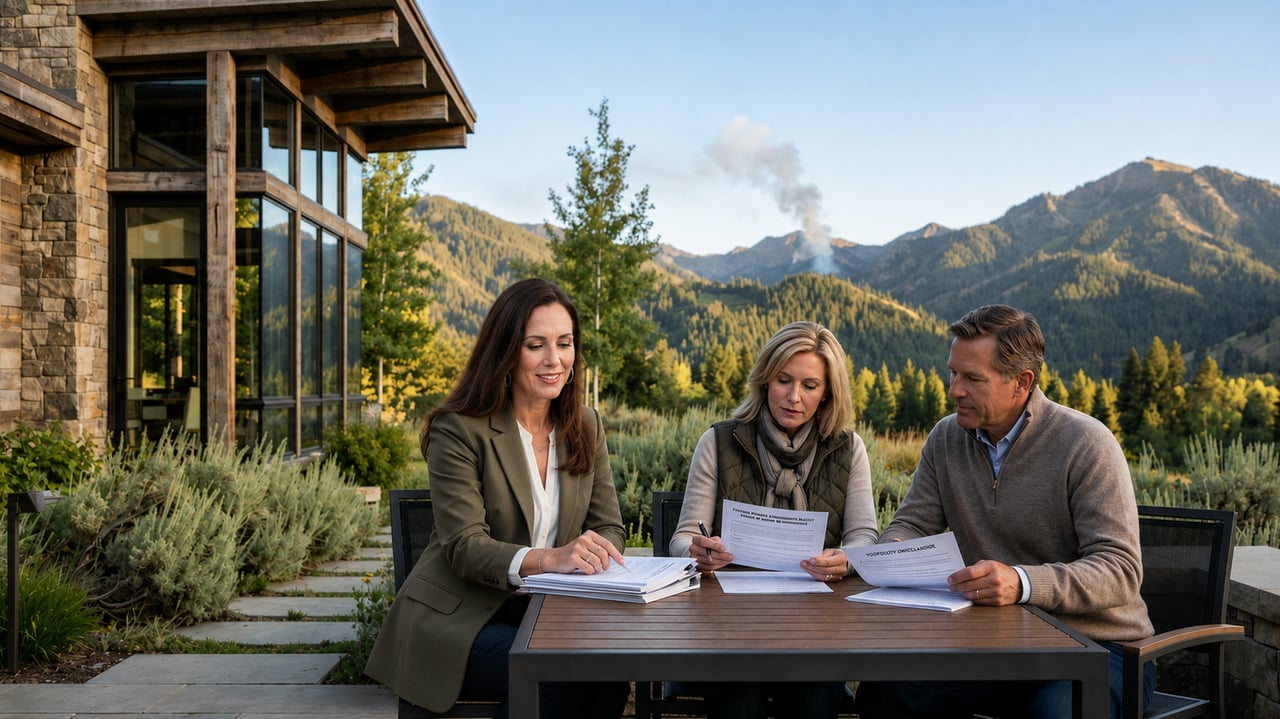
I recently worked with a client relocating from San Francisco. Initially, their goal was to find a seasonal retreat.
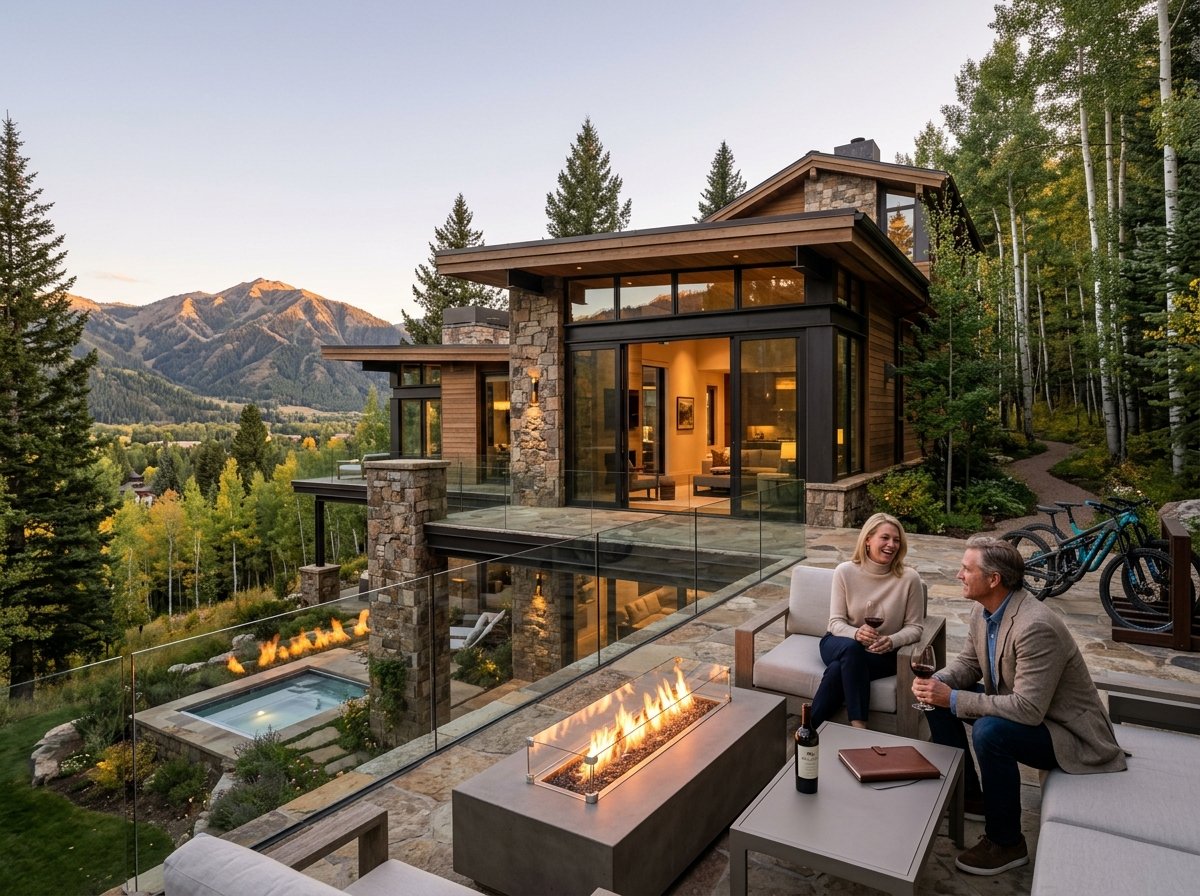
But after a few visits—morning hikes, afternoons in Ketchum, evenings overlooking the mountains—the conversation shifted.
“This doesn’t feel like a second home anymore,” they said.
“It feels like where we want to be.”
That shift—from optional to essential—is what’s driving today’s pricing strength.
Buyers aren’t chasing appreciation.
They’re choosing alignment.
And when that happens, price becomes a secondary consideration.
The Supply Constraint No One Talks About Enough
While rising demand is part of the story, the other half is quieter—but just as important:
Homes aren’t coming back to market.
Across Sun Valley and nearby Ketchum, many homeowners are choosing to:
- Hold properties longer
- Use homes more frequently throughout the year
- Pass properties down rather than sell
This reduced turnover creates a structural supply constraint.
And when supply remains limited in a market with consistent demand, price stability—and growth—follows.
A Wealth Preservation Market, Not a Speculative One
Sun Valley has increasingly positioned itself as something distinct:
Not just a luxury destination.
Not just a second-home market.
But a wealth preservation market.
Buyers entering today are often thinking in terms of:
- Long-term asset stability
- Lifestyle continuity
- Generational ownership
In this context, a 15% year-over-year increase isn’t viewed as a peak.
It’s viewed as confirmation of underlying strength.
What This Means for Buyers
For buyers considering entering the Sun Valley real estate market in 2026, the takeaway is clear:
- Waiting for a significant price correction may not align with how this market behaves
- The most valuable properties—location, views, proximity—remain scarce
- Long-term fit matters more than short-term timing
This is a market where the right property tends to justify itself over time.
What This Means for Sellers
For sellers, current conditions offer a unique opportunity.
With values elevated and inventory constrained:
- Well-positioned homes are attracting strong interest
- Strategic pricing and presentation can drive premium outcomes
- Timing ahead of peak seasonal demand can be advantageous
However, success still depends on thoughtful execution—not just market conditions.
The Bigger Picture
Sun Valley’s 2026 appreciation story isn’t about acceleration.
It’s about consistency, intention, and resilience.
In a world where many markets are adjusting, Sun Valley continues to reflect something more enduring:
A place people choose not just to visit—but to keep.
Final Thought
Real estate markets often reveal what people value most.
And in Sun Valley, the answer is becoming increasingly clear:
Time. Space. Experience. And permanence.
That’s what’s driving appreciation.
And that’s what’s likely to sustain it for years to come.