There was a time when Menlo Park felt understated—tree-lined streets, classic architecture, proximity without the noise.
In early 2026, that understatement has translated into something powerful: record-breaking home prices and renewed intensity in the Menlo Park real estate market.
Recent data shows Menlo Park reaching its highest-ever median home prices, with several neighborhoods surpassing prior peaks. While parts of the broader San Francisco market have experienced measured stabilization, Menlo Park has accelerated.
The question isn’t whether it’s strong.
The question is why.
The Tech Wealth Effect — Refined
Menlo Park sits at the epicenter of Silicon Valley influence. Proximity to major venture capital firms and global tech headquarters has always mattered. What’s different in 2026 is concentration.
AI-driven growth and equity liquidity events have injected fresh capital into the market. Buyers aren’t just upgrading—they’re consolidating lifestyle and investment into one strategic purchase.
In recent weeks, I’ve seen properties in Central Menlo Park draw highly prepared, all-cash buyers who understand long-term positioning. These buyers are analytical, decisive, and deeply focused on location quality.
This is not speculative purchasing. It’s strategic wealth placement.
Redevelopment Is Resetting the Price Ceiling
Another driver behind rising Menlo Park home prices in 2026 is redevelopment.
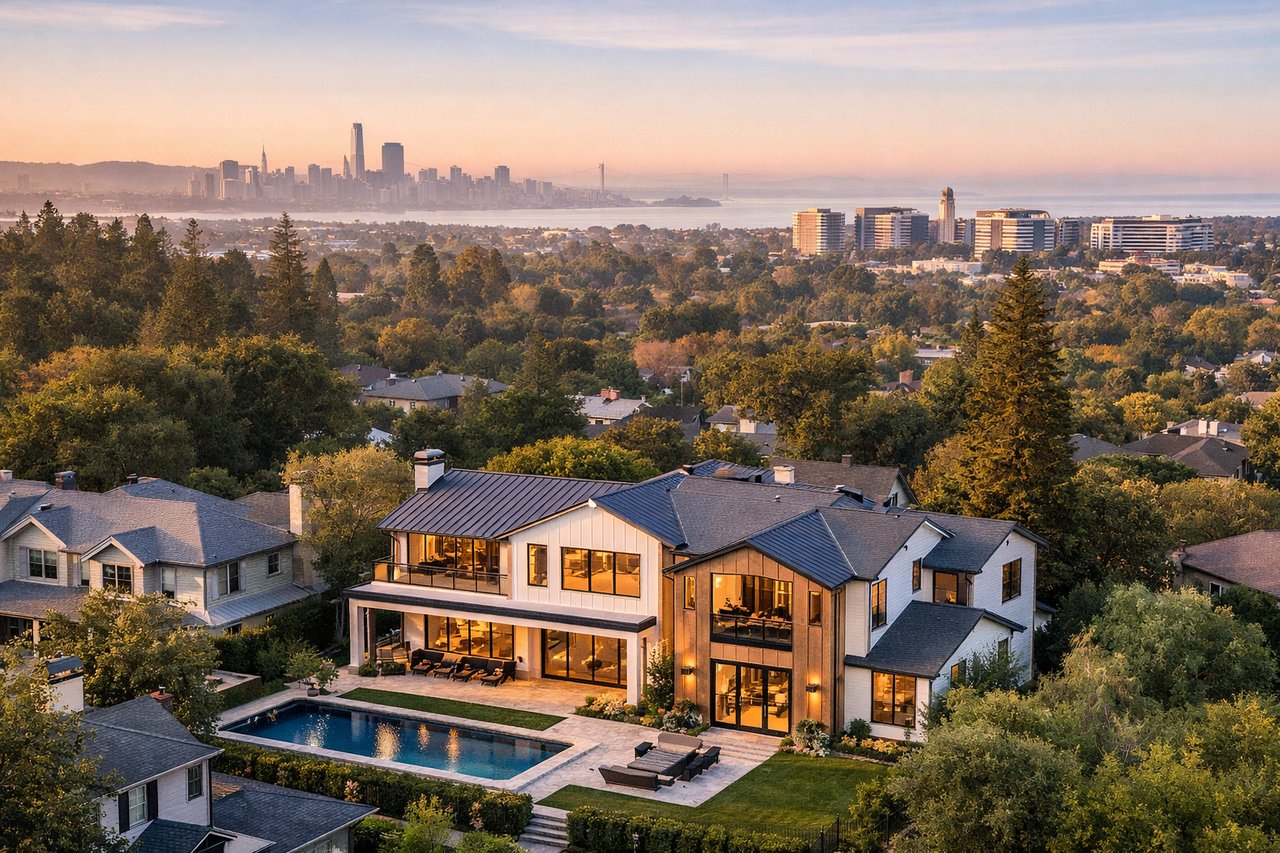
Older ranch properties on generous lots are being transformed into architecturally modern residences with premium finishes and seamless indoor-outdoor integration. New construction has effectively reset neighborhood comparables, lifting surrounding values with it.
In neighborhoods near Downtown Menlo Park and Allied Arts, the contrast between original housing stock and thoughtfully rebuilt homes is stark—and buyers are rewarding quality.
Why Menlo Park Is Outpacing Broader Bay Area Trends
While segments of the San Francisco real estate market remain competitive, Menlo Park’s appeal is uniquely insulated:
-
Top-tier public and private schools
-
Walkable village charm
-
Larger lot sizes compared to many Silicon Valley communities
-
Immediate access to Sand Hill Road and major tech corridors
In a market where lifestyle and convenience are equally weighted, Menlo Park delivers both.
Buyers are prioritizing privacy, architectural distinction, and outdoor space—without sacrificing commute efficiency. That balance is rare.
What This Means for Silicon Valley Buyers
For buyers entering the Menlo Park housing market, preparation is essential.
Record pricing does not mean irrational pricing. It means strategic competition. Homes that are turnkey, well-designed, and ideally located are commanding premiums.
However, longer market times on select properties—particularly those priced ambitiously—create negotiation opportunities for disciplined buyers.
Precision matters more than speed.
What This Means for Sellers
For sellers, 2026 represents a positioning window.
When median prices are breaking records, the conversation shifts from “Is it a good time?” to “How do we maximize leverage?”
Thoughtful preparation, architectural presentation, and disciplined pricing strategy are separating exceptional outcomes from average ones.
Menlo Park has evolved. What was once a quiet Peninsula suburb is now one of the most strategically desirable micro-markets in Silicon Valley.
The strength we’re seeing is not accidental. It’s structural.
And in markets like this—where education, capital, and lifestyle intersect—record-breaking prices often signal the beginning of a new baseline, not the peak.
For those navigating the Menlo Park real estate market in 2026, the opportunity lies in understanding not just where prices are—but why they are there.